 Match ball
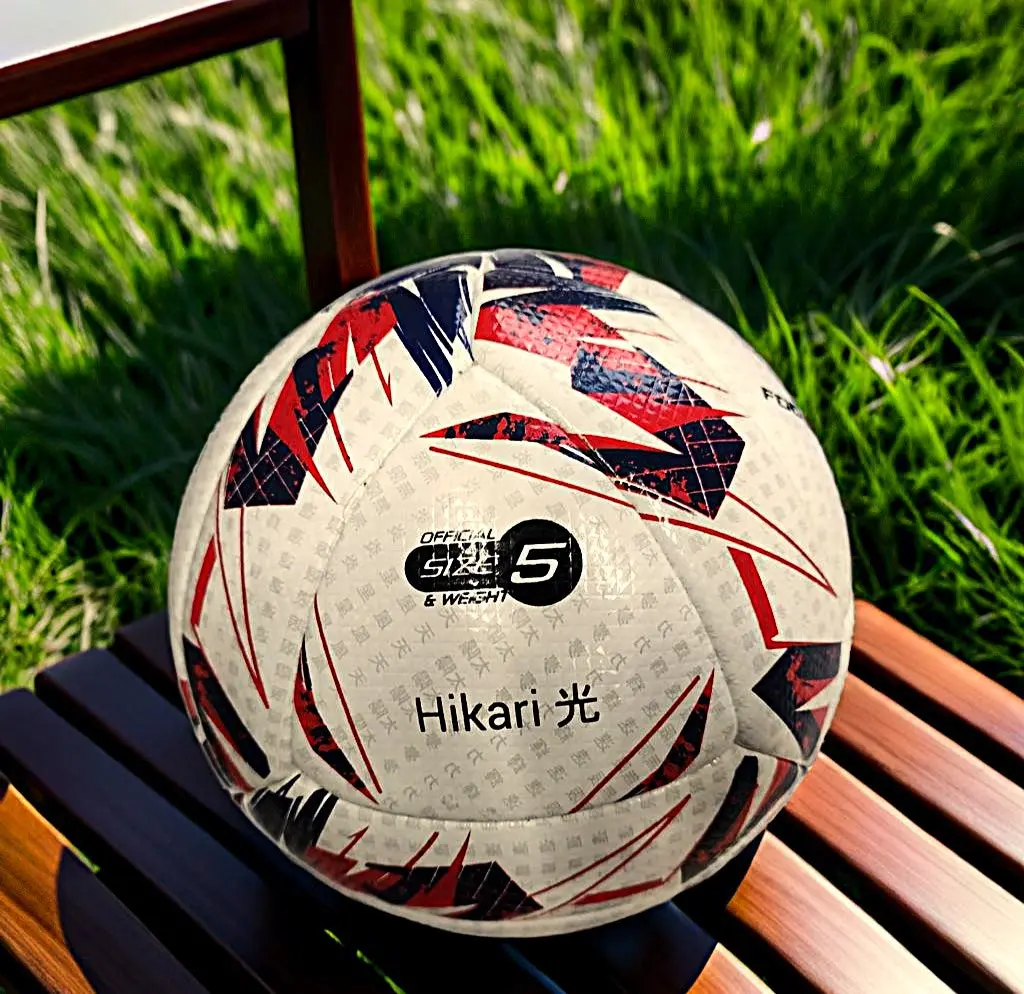
Hikari (光)
$65$75
Hikari is part of our premium soccer ball range, inspired by Japanese craftsmanship and designed for elite…
By TX Football · 2 October 2025 · 4 min read
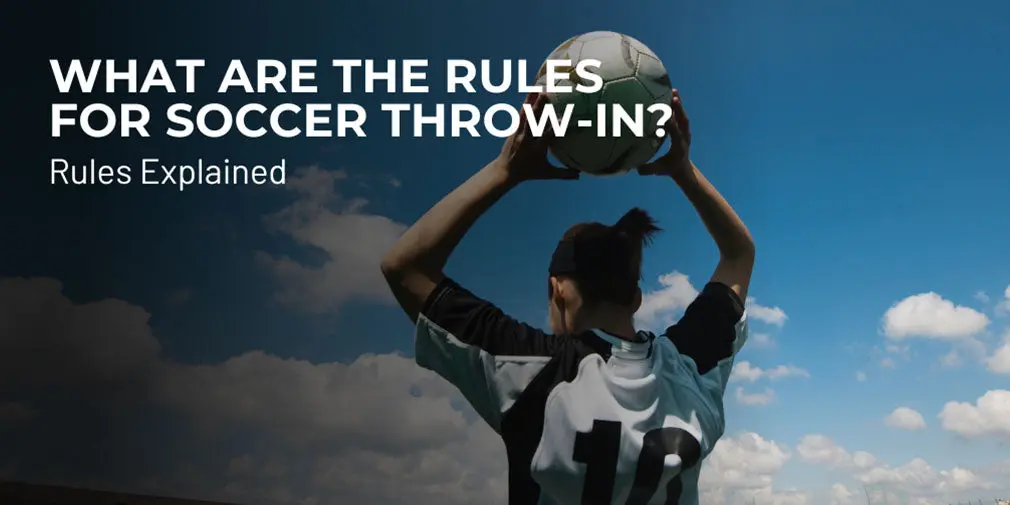
Nothing feels more frustrating than losing the ball on a simple mistake. One of the most common moments this happens is during a throw-in. Many players, even seasoned ones, still ask: What are the rules for soccer throw-ins? The answer seems simple, but there are important details that can change the game. From keeping both feet down to throwing over your head, every step matters.
Moreover, if you love football and want to sharpen your skills, knowing these regulations will give you confidence. Let’s break it down in plain English so you can avoid fouls, keep possession, and enjoy every moment on the pitch.
A throw-in is how play restarts when the ball crosses the sideline, also called the touchline. The referee awards the throw-in to the team that did not touch the ball last. It sounds basic, but the right technique matters. If you fail to follow the soccer laws, the referee gives the ball to the other team. That is why coaches always remind players to slow down and get it right.
Here are the basics every player must follow:
These regulations ensure fairness and consistency. They also stop players from sneaking closer to the goal or launching it one-handed, like in basketball.
Besides the basics, there are other important points:
A throw-in restarts play and can’t directly result in a goal. If the ball goes straight into the opponent’s net from it, the referee awards a goal kick. If it ends up in a team’s own net, the opposing side gets a corner.
Still, there have been rare Bundesliga moments where a long throw led to an indirect goal. In 1982, during Bayern Munich goalkeeper Jean-Marie Pfaff’s competitive debut against Werder Bremen, Bremen’s Uwe Reinders, known for his powerful deliveries, launched the ball near Bayern’s penalty area. Pfaff reacted awkwardly, tipping it with his hand, and it sailed over him into the net, giving Bremen a 1–0 win.
Here are the most frequent errors players make:
Each of these mistakes counts as a foul. When it happens, the referee awards the ball to the other team.
A fast throw can restart play before defenders organize, creating open space and chances.
Some players develop strong long throws that act like corner kicks, landing the ball inside the box.
Well-timed runs and spacing during a throw-in can decide whether your team keeps possession or loses it.
Understanding the rules helps you prevent foul throws that hand the ball to the opposition.
Smart teams use throw-ins to build attacks and control the pace of the game.
When you know the rules, you play with certainty and focus on the bigger picture of the match.
Throw-ins happen often, but they shape the rhythm of the game. By knowing the rules for soccer throw-ins, you keep possession, avoid fouls, and play smarter. Next time the ball goes out, take your time, follow the rules, and make it count.
Match ball$65$75
Hikari is part of our premium soccer ball range, inspired by Japanese craftsmanship and designed for elite…
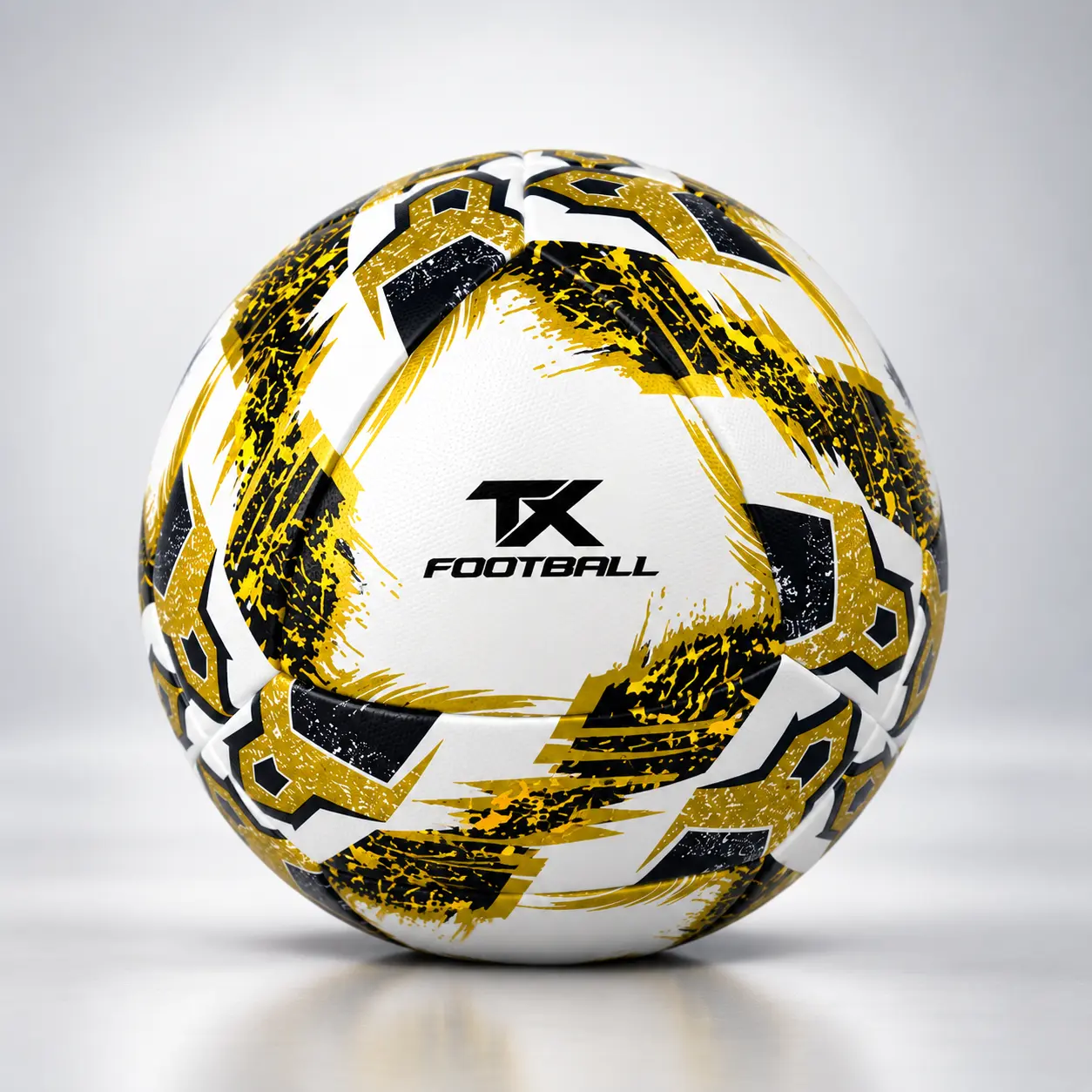 Hybrid ball · Sizes 4, 5
$40$50
Unveiling the Voyager+ : The Hybrid Powerhouse Welcome to a new era of football, where the Voyager takes…
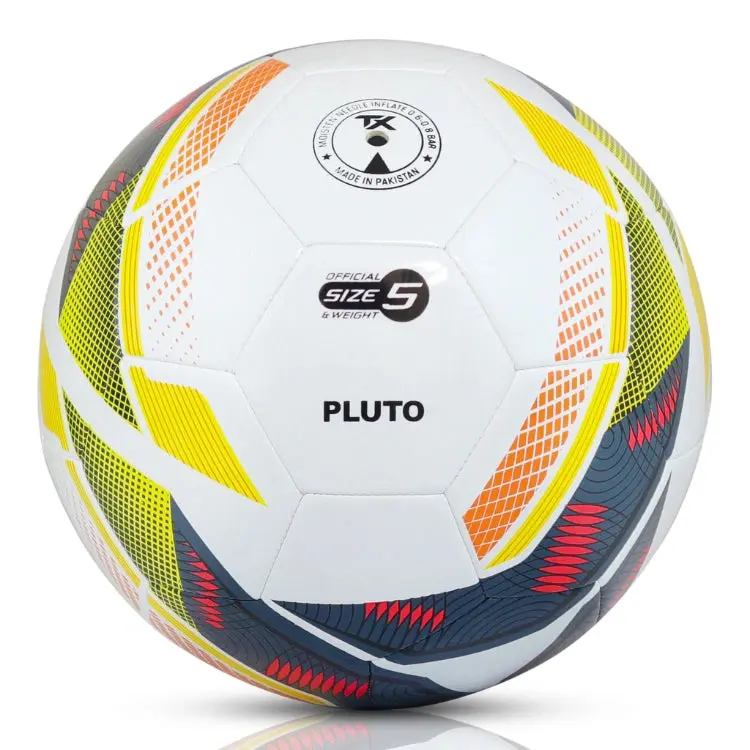 Junior ball · Sizes 3, 4, 5
$20$25
Presenting the Pluto: Tailored Excellence for Junior Football Journey into the future of junior football…
 Match ball
$110$140
CLIMATE Match Football: The Eco-Friendly Powerhouse Crafted from recycled PET bottles, the CLIMATE Football…
New articles, new balls and bundle deals. One email, no spam.