 Match ball
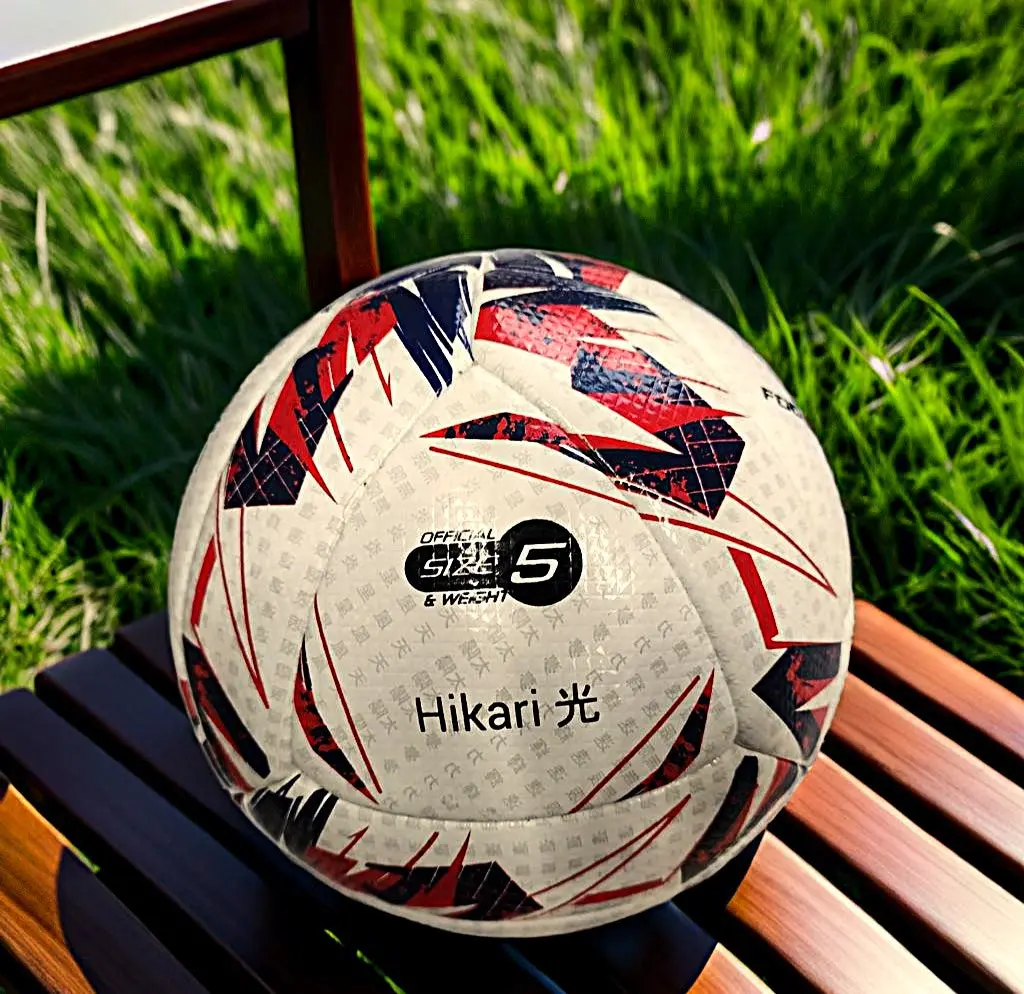
Hikari (光)
$65$75
Hikari is part of our premium soccer ball range, inspired by Japanese craftsmanship and designed for elite…
By TX Football · 8 April 2025 · 5 min read
Remember when we used to play soccer as kids and would take any chance we’d get to call out fouls and show a dummy yellow and red cards to our friends? The non-seriousness of it all was too good to pass up. But in the real game, on the big stage, these penalties, especially the red, come with a set of proper rules and regulations and have a very serious impact on how a match is played. So, let’s discuss the red card in soccer and how it affects players and their teams.
Football is one of the world’s most popular sports. And like every other sport, it follows strict rules to ensure fair play and sportsmanship. Among these rules, fouls and penalties play a crucial role in disciplining players for fouls and misconduct. The red card in soccer is the most severe punishment a player can receive during a match.
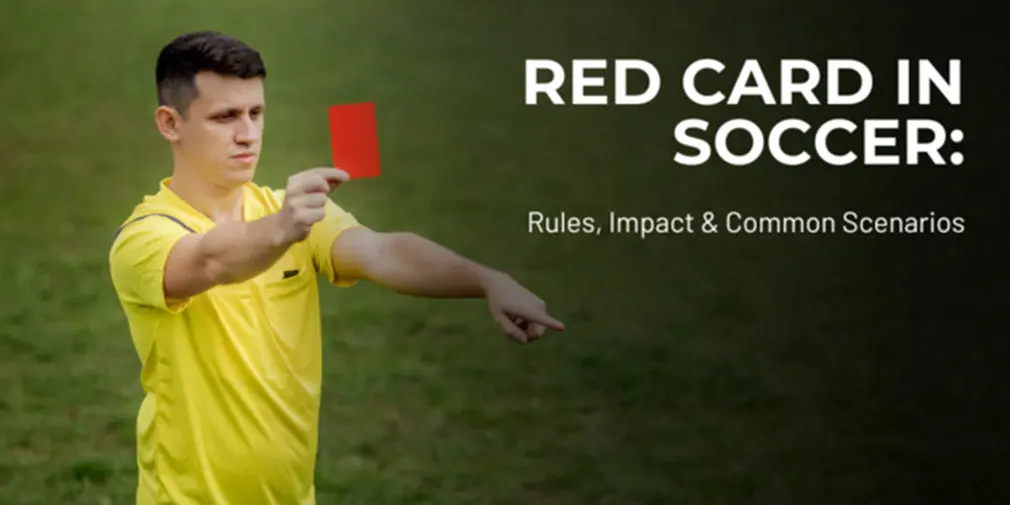
A red card in soccer is a disciplinary measure issued by the referee to a player who has committed a serious offence. When players receive a red, they are immediately sent off the field and cannot be replaced, leaving their team with one fewer player. This can drastically impact the game's dynamics, making it harder for the penalized team to compete effectively.
It was introduced in the 1970 FIFA World Cup to provide a clear visual signal of player dismissal. Since then, it has become an essential part of soccer's disciplinary system.
While yellows serve as a warning, the latter are used for more severe rule violations. Understanding what the yellow cards in soccer mean helps differentiate between warnings and outright dismissals.
A cautionary warning for minor offences. If a player receives two yellow cards in a single game, the referee automatically suspends them. Whereas yellow shown to the same player in 2 different matches of a league mean suspension in the proceeding match. In national leagues, players can receive up to three yellow cards in three games before the referee suspends them unless they receive a red card first.
This is shown when a serious foul is committed, and a player is dismissed directly. Nowadays, depending on the severity of the foul, organizational bodies can even decide the number of matches a player should stay dismissed, which is usually two.
Referees issue suspensions for various offences, including:
Physical aggression, such as punching, kicking, or elbowing an opponent.
Reckless tackles that endanger an opponent's safety.
Using hands (except for the goalkeeper in their penalty area) or committing a foul to prevent a goal-scoring chance. The latter applies to goalkeepers, too.
Considered a serious act of misconduct and disrespect.
Insulting referees, opponents, or spectators.
Accumulating two yellows automatically results in a dismissal.
These rules for a red card in soccer ensure that players adhere to fair play and maintain the sport’s integrity.
Receiving such a penalty can significantly affect a team in multiple ways:
The team plays with one fewer player, making it harder to defend and attack effectively.
Coaches often need to restructure their strategy, shifting defensive or midfield players to compensate for the lost teammate.
It results in the player being suspended for subsequent matches, affecting team selection and performance.
Players may feel demotivated, and the opposing team may gain confidence and momentum.
Some of the most frequent instances where referees issue include:
When a defender intentionally tackles an opponent who is clear on goal, referees often penalize them severely for illegally denying a goal-scoring opportunity.
The referee immediately suspends a player from the match if they receive a second yellow card for repeated offences.
Instances like Roy Keane’s aggressive tackles or Pepe’s gloriously violent defensive career serve as prime examples of suspension-worthy actions.
High-foot challenges, late tackles with excessive force, or dangerous two-footed tackles typically result in a straight dismissal.
Players showing extreme disrespect towards referees or using offensive language may be dismissed. While even coaches, who keep disrupting the flow of the game and abuse the referees, can be immediately dismissed from their stands.
Referees often issue multiple dismissals when teams engage in brawls or physical altercations.
When a team receives a suspension, they must adjust their tactics. Some common strategies include:
Teams may switch from an attacking formation (e.g., 4-3-3) to a more defensive one (e.g., 4-4-1) to maintain stability.
Coaches often replace offensive players with defenders to cover the lost player’s position. When a goalkeeper is dismissed, the team benches one of the remaining 10 players to bring on a substitute goalkeeper. At times, when teams are out of substitutions, one of the 10 men could also take up the keeper’s role.
Teams may slow down the game to minimize the opponent’s advantage. However, this may further lead to warnings from the referees and additional dismissals if the players misbehave too much in their time-wasting tactics.
Beckham was sent off against Argentina for kicking Diego Simeone, leading to England’s elimination. This infamous incident put a dent in the former England captain’s career for a long time. Hence, this became a reason why he was villainized by many English fans up until he retired from the sport.
Anyone who started watching football before 2006 would remember the headbutt on Marco Materazzi that became the one negative highlight in Zizou’s otherwise remarkable career. The people who watched the game live are divided, to this day, about who was and wasn’t right in that scenario. Regardless, it did little to take away from the fact that Zidane was, and is, among one of the greatest of the game.
Luis Suárez never ran out of creative ways to make his opponents’ lives miserable on the field. One of the most famous incidents came in the final moments of his Uruguayan side’s QF against Ghana in the 2010 World Cup. He deliberately handled the ball on the goal line, getting suspended immediately. But even that couldn’t prevent his side from qualifying for the next round. However, many believe his absence from that fateful suspension is what cost his countrymen a spot in the final in the end.
Understanding penalties in soccer is crucial for players, coaches, and fans. Suspension not only affects individual players but also impacts entire teams, strategies, and game outcomes. By knowing the rules and the common scenarios leading to dismissals, players can avoid unnecessary ejections and contribute to fair play.
With soccer’s growing popularity, enforcing strict discipline ensures the sport remains competitive, fair, and exciting for fans worldwide.
Match ball$65$75
Hikari is part of our premium soccer ball range, inspired by Japanese craftsmanship and designed for elite…
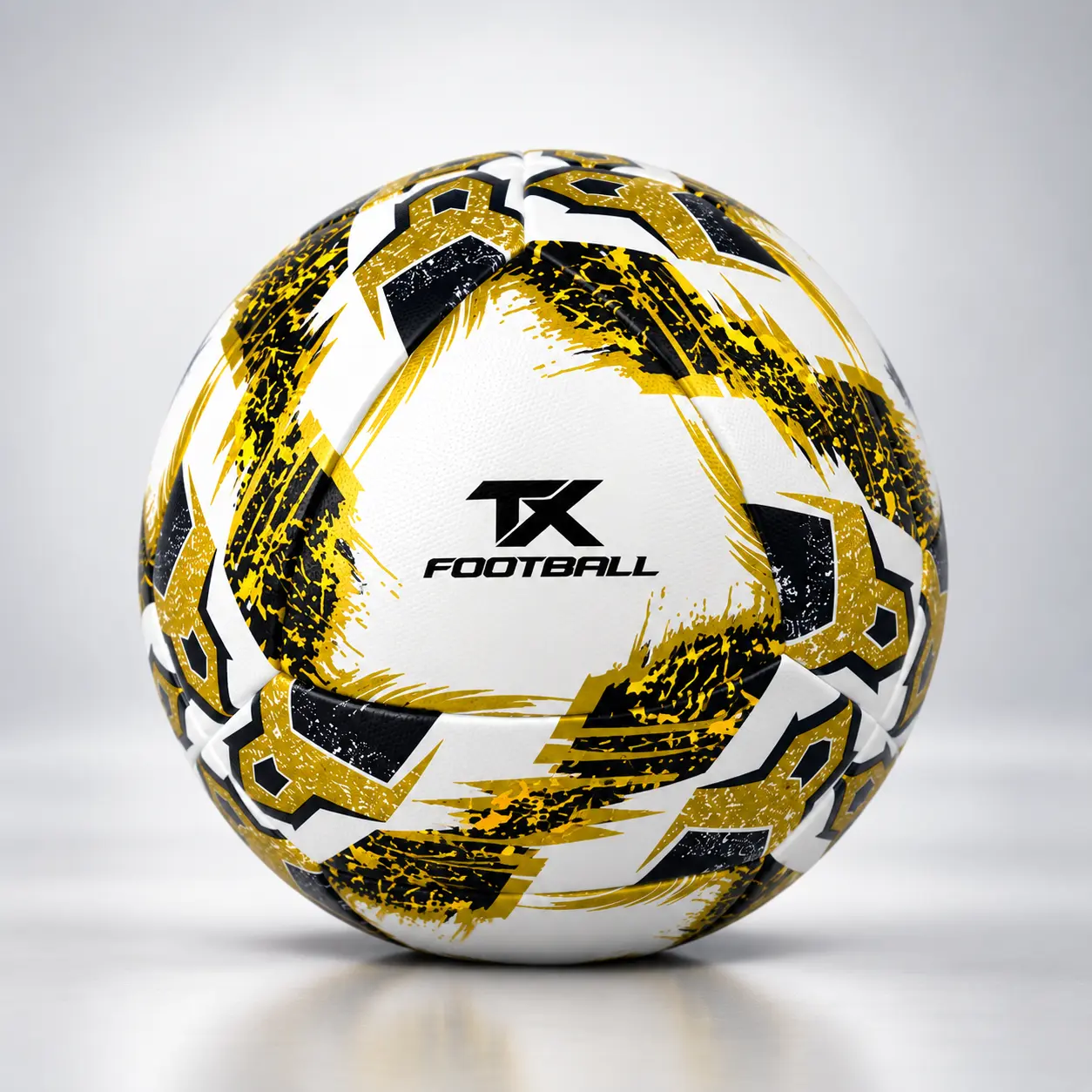 Hybrid ball · Sizes 4, 5
$40$50
Unveiling the Voyager+ : The Hybrid Powerhouse Welcome to a new era of football, where the Voyager takes…
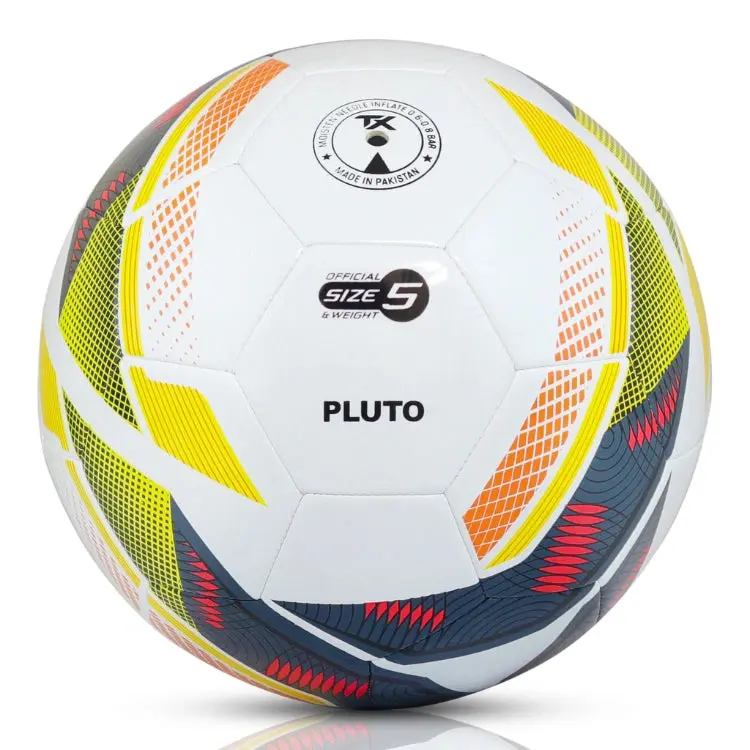 Junior ball · Sizes 3, 4, 5
$20$25
Presenting the Pluto: Tailored Excellence for Junior Football Journey into the future of junior football…
 Match ball
$110$140
CLIMATE Match Football: The Eco-Friendly Powerhouse Crafted from recycled PET bottles, the CLIMATE Football…
New articles, new balls and bundle deals. One email, no spam.