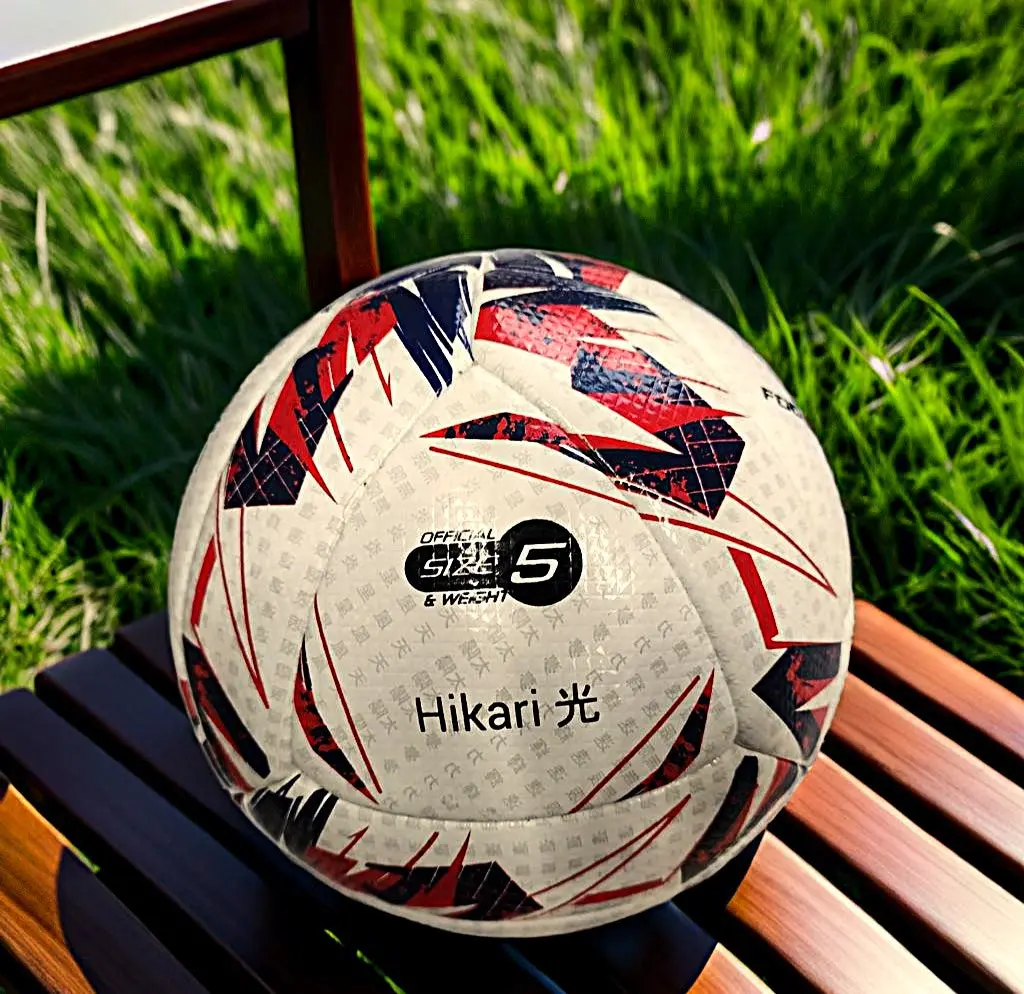
 Match ball
Hikari (光)
$65$75
Hikari is part of our premium soccer ball range, inspired by Japanese craftsmanship and designed for elite…
By TX Football · 21 May 2025 · 4 min read
Whether you're packing your gear for travel or adjusting air pressure for better performance, knowing how to deflate a soccer ball correctly is essential. While it might seem simple, improper deflation can damage your ball or valve. This guide walks you through how to deflate a soccer ball, the tools you'll need, and key tips to keep your ball in top shape.
Before we dive into the “how,” it helps to understand the “why.” Deflating your soccer ball can be useful in several situations:
A flattened ball takes up less space and is easier to transport.
Too much air can affect gameplay. Sometimes, you need to reduce air pressure for optimal control.
Leaving a ball fully inflated in extreme temperatures can damage the bladder or seams.
To safely deflate a soccer ball, gather the following:
Most soccer pumps come with a detachable inflation needle. This needle is crucial for both inflating and deflating.
A drop of water or petroleum jelly can help insert the needle without damaging the valve.
Helps monitor pressure if you're deflating to a specific level.
Here’s the correct way to deflate a soccer ball without damaging it:
Locate the small rubber valve on your soccer ball. It’s usually marked and sits between panels. The valve is the only entry point for air in or out.
Apply a small amount of water or lubricant to the needle to make insertion smoother and reduce friction on the valve. Avoid forcing a dry needle, as it can cause permanent damage.
Slowly insert the inflation needle into the valve. Push it straight in—not at an angle—to avoid tearing the valve’s internal seal.
Important: Never use a pen, stick, or any sharp object. Only use a proper inflation needle.
Once inserted, you’ll hear a soft hissing sound as the air begins to escape. You can either:
Let it deflate naturally, or
Squeeze the ball gently to speed up the process
For partial deflation (to adjust air pressure), keep an eye on the ball’s firmness or use an air pressure gauge.
The ideal air pressure for a football (soccer ball) is generally between 8.5 to 15.6 psi (pounds per square inch), according to FIFA standards. However, the right pressure may vary based on:
Ball size (Size 3, 4, or 5)
Age group using the ball
Playing surface (firm ground, turf, indoor)
Check the printed recommendation on your specific ball for the best results.
To prevent damage and extend the life of your ball, follow these tips:
Doing this too often can weaken the valve and bladder over time.
Flattened balls stored in hot or cold climates can warp or crack.
Never improvise with household objects.
Consider deflating your ball if:
You're travelling and need to pack it compactly.
You're storing it for a long time and want to prevent pressure buildup.
Your ball feels too firm, and you need better touch or control during play.
You're playing in hot weather, where internal pressure can expand naturally.
Improper deflation can lead to:
Flattened balls with damaged bladders
Stretched or torn valves that leak air over time
Misshapen panels from uneven air escape or aggressive squeezing
By learning how to deflate a soccer ball the right way, you avoid these issues and increase the lifespan of your gear.
Some advanced pump systems come with deflation settings or automatic air pressure regulation. These are commonly used in professional training settings and ensure the ball stays within the ideal air pressure for football standards. However, for most casual players and amateur teams, a manual needle works just fine.
Yes. A soccer ball that’s underinflated may not bounce properly, feel sluggish on the pitch, or even get damaged during play. That’s why it’s best to deflate only when needed and always reinflate to the recommended PSI before playing.
Knowing how to deflate a soccer ball the right way is a simple but important skill for any player, coach, or parent. Whether you're adjusting air pressure for a better touch, storing the ball for a long trip, or protecting it from heat, safe deflation ensures your ball stays in game-ready condition.
Always use the right tools, monitor air levels, and handle your ball with care. With proper technique, you'll avoid flattened balls and unnecessary wear—and keep scoring goals season after season.
Match ball$65$75
Hikari is part of our premium soccer ball range, inspired by Japanese craftsmanship and designed for elite…
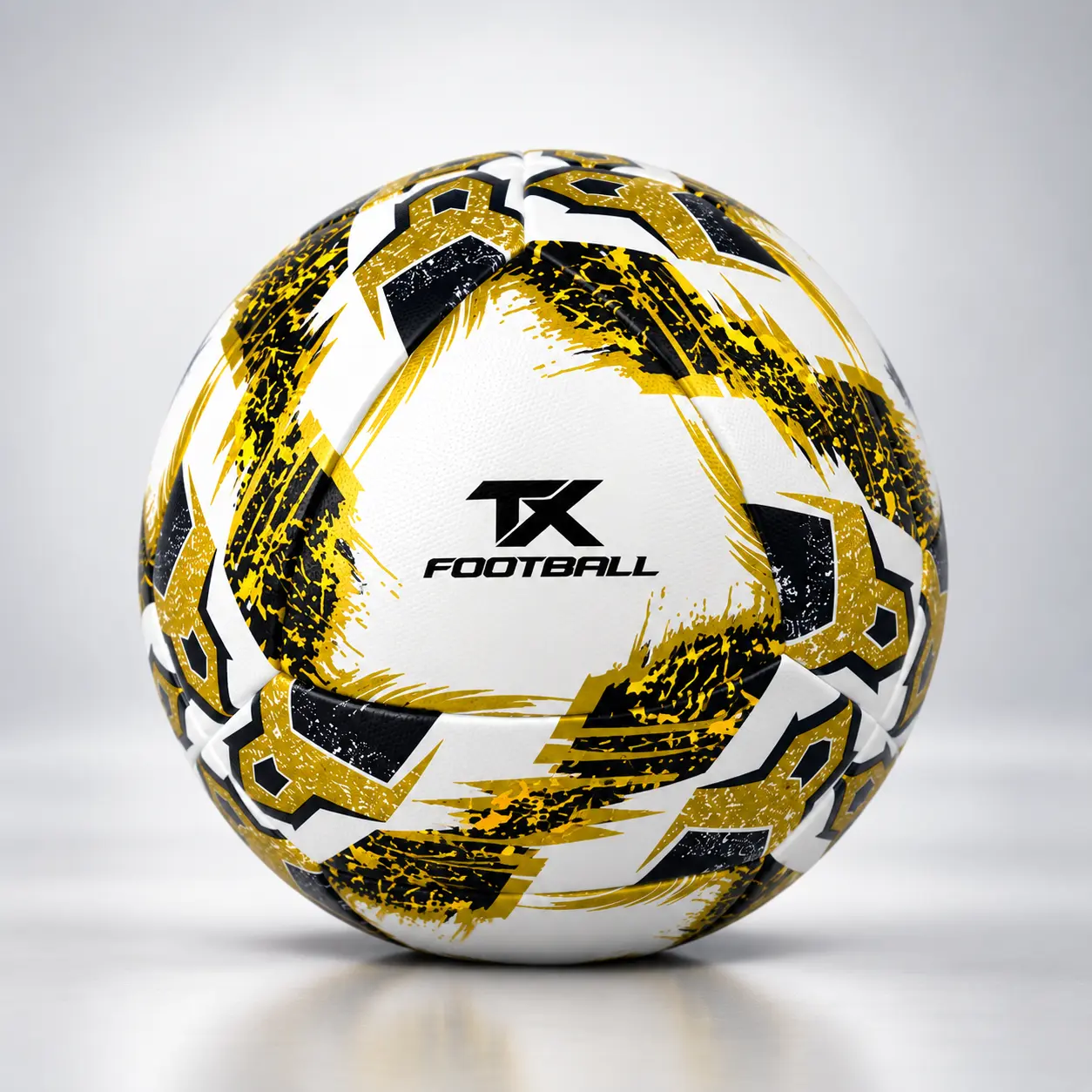 Hybrid ball · Sizes 4, 5
$40$50
Unveiling the Voyager+ : The Hybrid Powerhouse Welcome to a new era of football, where the Voyager takes…
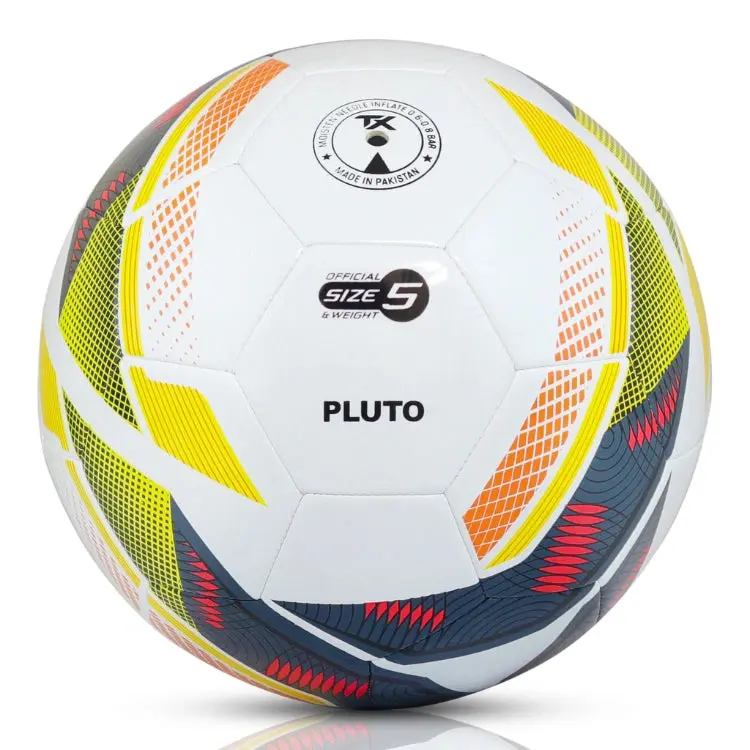 Junior ball · Sizes 3, 4, 5
$20$25
Presenting the Pluto: Tailored Excellence for Junior Football Journey into the future of junior football…
 Match ball
$110$140
CLIMATE Match Football: The Eco-Friendly Powerhouse Crafted from recycled PET bottles, the CLIMATE Football…
New articles, new balls and bundle deals. One email, no spam.