 Match ball
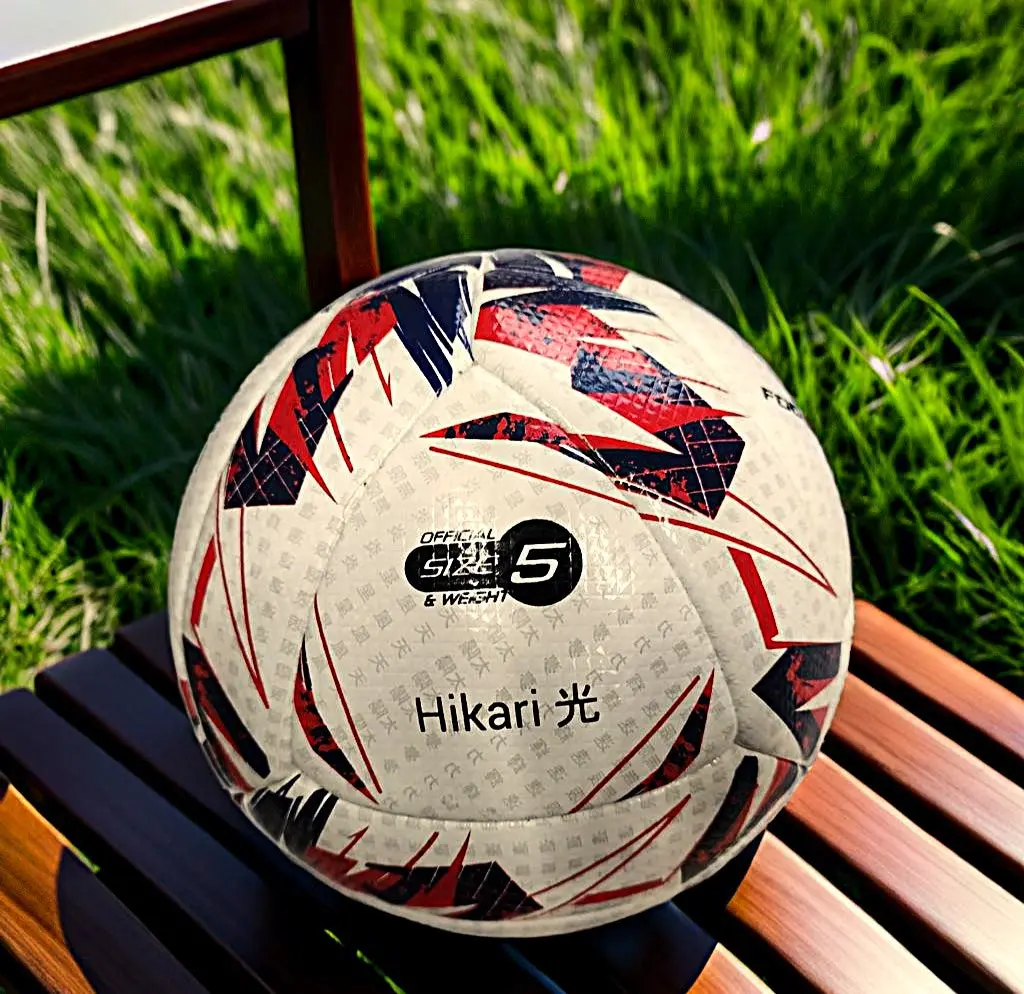
Hikari (光)
$65$75
Hikari is part of our premium soccer ball range, inspired by Japanese craftsmanship and designed for elite…
By TX Football · 10 April 2025 · 4 min read
Football (or soccer) is the world’s most popular sport, played across all age groups in schools, clubs, and professional leagues. Whether you're a beginner, a coach, or an experienced player, choosing the right football size is essential for skill development, performance, and safety. Using the wrong ball can make it harder to control, pass, or shoot, affecting the overall gameplay. Wondering how to choose the right football size? This FIFA-level guide will help you understand the different dimensions, their official regulations, and factors to consider when purchasing.
Dimensions are categorized based on age groups, skill levels, and match regulations. FIFA and other governing bodies have standardized these to ensure fair and consistent play across different levels of the game.
| Size | Circumference (inches) | Weight (grams) | Recommended Age Group | Usage |
|---|---|---|---|---|
| 1 | 18–20 | 200–280 | All ages (mainly toddlers) | Skills training, souvenirs |
| 2 | 20–22 | 250–280 | Under 4 years | Ball control improvement |
| 3 | 23–24 | 300–320 | 4–8 years | Junior football matches |
| 4 | 25–26 | 350–390 | 8–12 years | Youth football, training |
| 5 | 27–28 | 410–450 | 13+ years (adults) | Professional and competitive matches |
The normal dimension used in professional games is 5, which meets FIFA’s regulations for circumference, weight, and inflation.
Toddlers & Young Kids (Under 4 years) → 1 or 2 for fun and basic coordination.
Children (4-8 years) → 3 to develop dribbling and passing skills.
Youth Players (8-12 years) → 4 to prepare for the transition to full-sized play.
Teenagers & Adults (13+ years) → 5, the standard for competitive play.
If you’re wondering what size soccer ball for adults is best, 5 is the only official choice for professional matches.
Casual Play: For recreational games, any ball that feels comfortable works.
Training & Skill Development: Coaches use smaller balls ( 1 or 2) for dribbling drills.
Professional & Competitive Matches: Only 5 are approved for official games.
Grass Fields: Traditional FIFA-approved leather ones work best.
Indoor Courts: Futsal ones ( 4, low bounce) are ideal for quick play.
Artificial Turf: Synthetic leather ones resist wear and last longer.
FIFA and official governing bodies, such as UEFA, mandate that s:5 is the regulation soccer dimension for professional matches. They must meet these criteria:
Circumference: 27–28 inches
Weight: 410–450 grams
Proper Inflation: 8.5–15.6 PSI
All major leagues, including the FIFA World Cup, UEFA Champions League, and English Premier League, use s:5.
The real concern in how to choose the right football size is, that not all are same. Their construction affects durability, feel, and overall performance.
PU (Polyurethane): High-quality, soft, and used in professional ones.
PVC (Polyvinyl Chloride): Budget-friendly but less durable.
Leather: Traditional, now mostly used for indoor play.
Latex: Provides better bounce and softer touch.
Butyl: Retains air longer, good for long-term play.
Hand-Stitched: Highest durability, used in professional ones.
Machine-Stitched: Good for training but less durable.
Thermal Bonding: Seamless, water-resistant, used in top-tier matches.
Beyond dimension and material, here are a few additional aspects to keep in mind when searching how to choose the right football size:
Look for FIFA-approved logos, such as:
Quality Pro: Highest standard, used in international competitions.
Quality: Approved for competitive matches.
Basic: Ideal for recreational play.
Ensure your playing equipment is properly inflated according to manufacturer recommendations. Over or under-inflated ones affect performance and durability.
Wet conditions? Look for water-resistant ones.
Hot climates? Avoid leather ones, as they absorb moisture and lose shape.
To extend the life of your equipment, follow these maintenance tips:
Keep it properly inflated (check the PSI before playing).
Store it in a cool, dry place to prevent material damage.
Clean it after each use to remove dirt and moisture.
Avoid using it on rough surfaces to prevent early wear and tear.
If well-maintained, good quality can last 1–2 years. However, frequent players may need a replacement sooner.
Selecting the right equipment is essential for improving your skills and enjoying the game. Whether you’re a beginner, youth player, or professional, knowing how to choose the right one ensures the best playing experience.
For professional matches, s:5 is the regulation ball, but younger players should use s:3 or 4 for better control and development. Understanding the impact of ball materials, construction, and playing surfaces can help you make the perfect choice.
By following this guide, you can confidently pick the ideal football for your needs and elevate your game to FIFA-level standards!
Match ball$65$75
Hikari is part of our premium soccer ball range, inspired by Japanese craftsmanship and designed for elite…
 Hybrid ball · Sizes 4, 5
$40$50
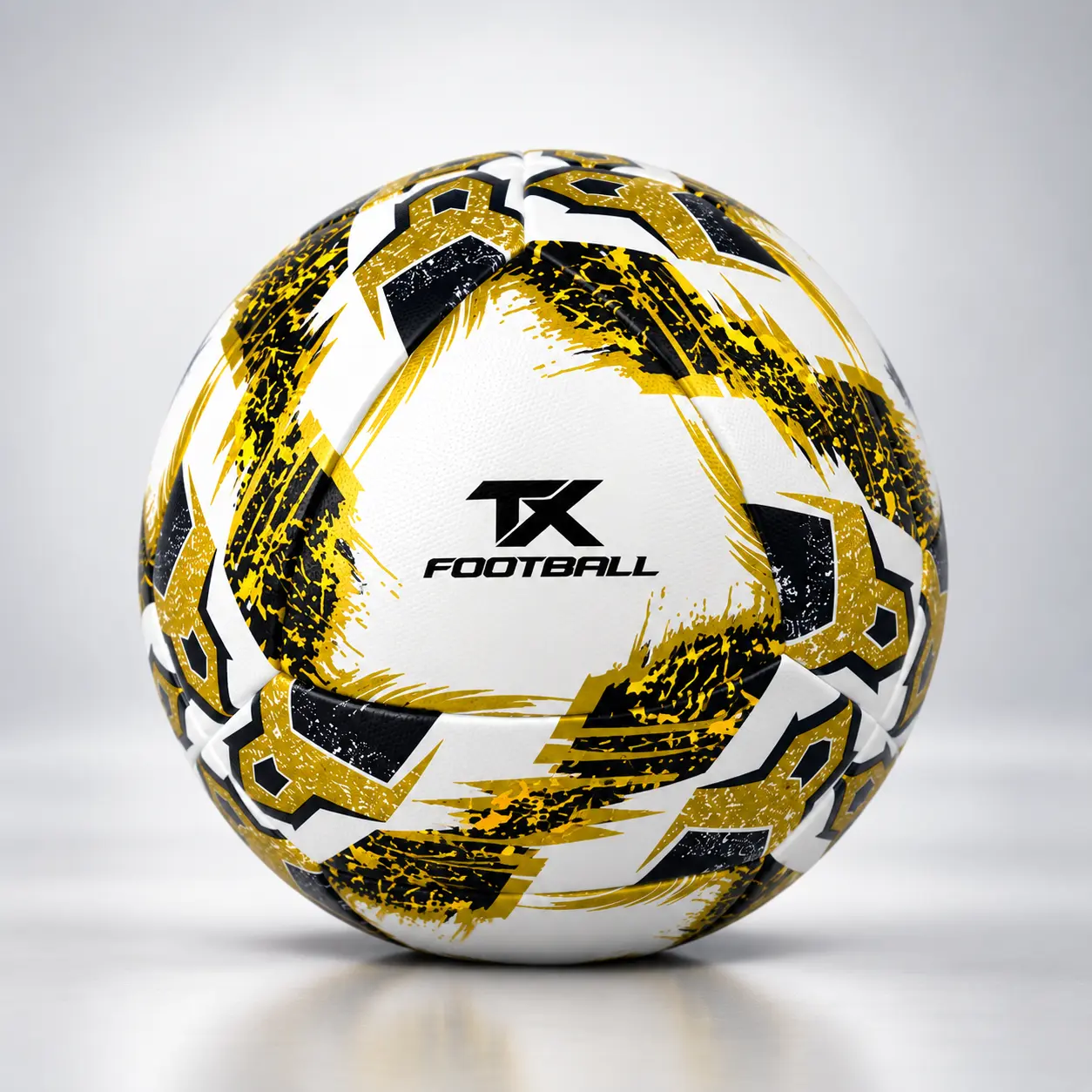
Unveiling the Voyager+ : The Hybrid Powerhouse Welcome to a new era of football, where the Voyager takes…
 Junior ball · Sizes 3, 4, 5
$20$25
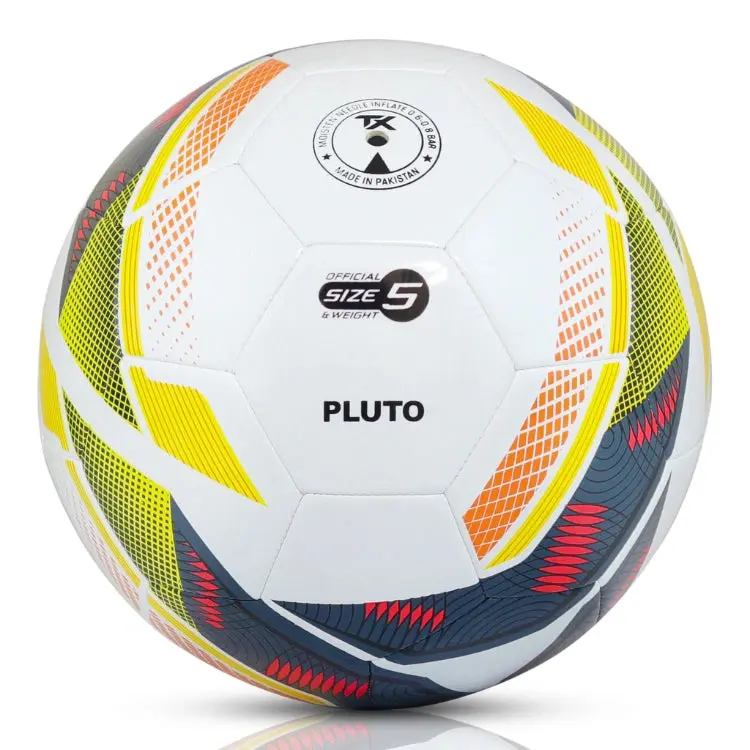
Presenting the Pluto: Tailored Excellence for Junior Football Journey into the future of junior football…
 Match ball
$110$140
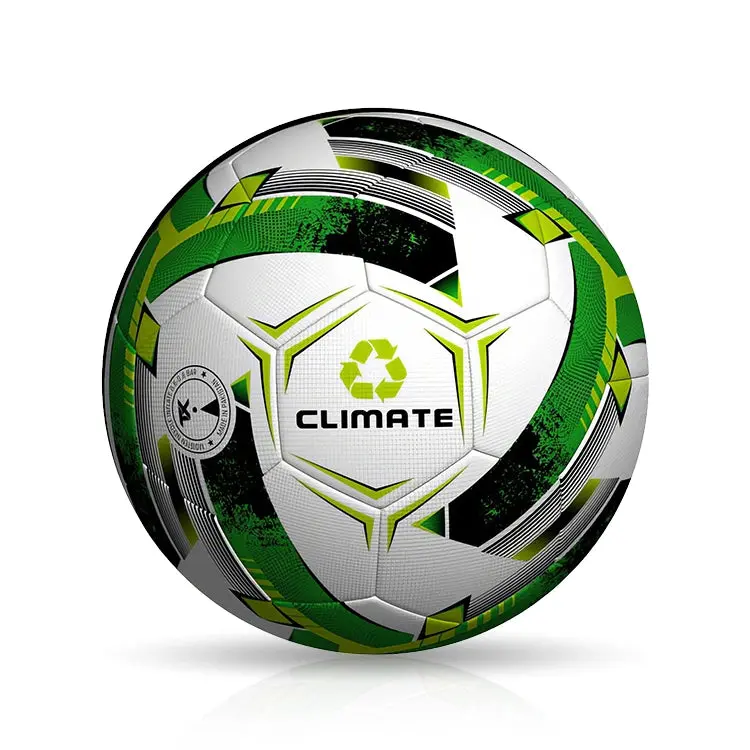
CLIMATE Match Football: The Eco-Friendly Powerhouse Crafted from recycled PET bottles, the CLIMATE Football…
New articles, new balls and bundle deals. One email, no spam.