
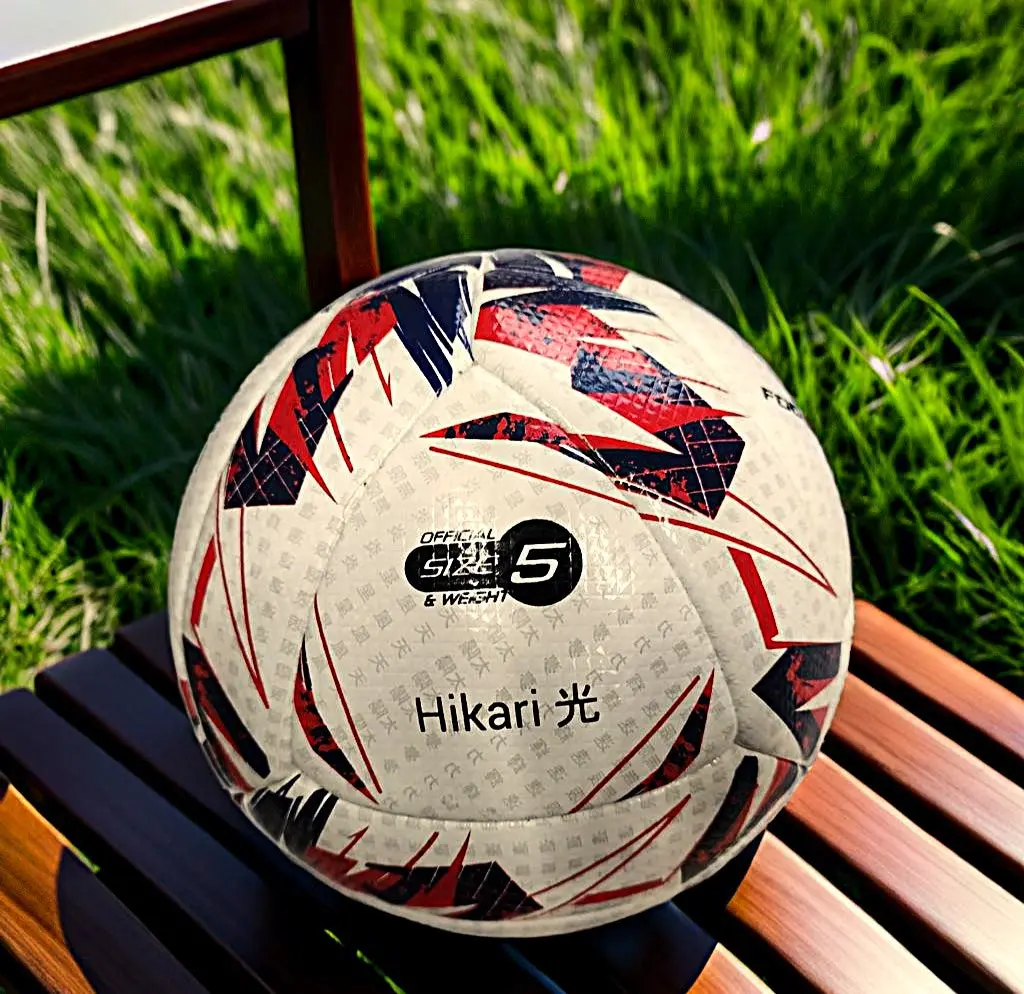
 Match ball
Hikari (光)
$65$75
Hikari is part of our premium soccer ball range, inspired by Japanese craftsmanship and designed for elite…
By TX Football · 9 January 2025 · 6 min read
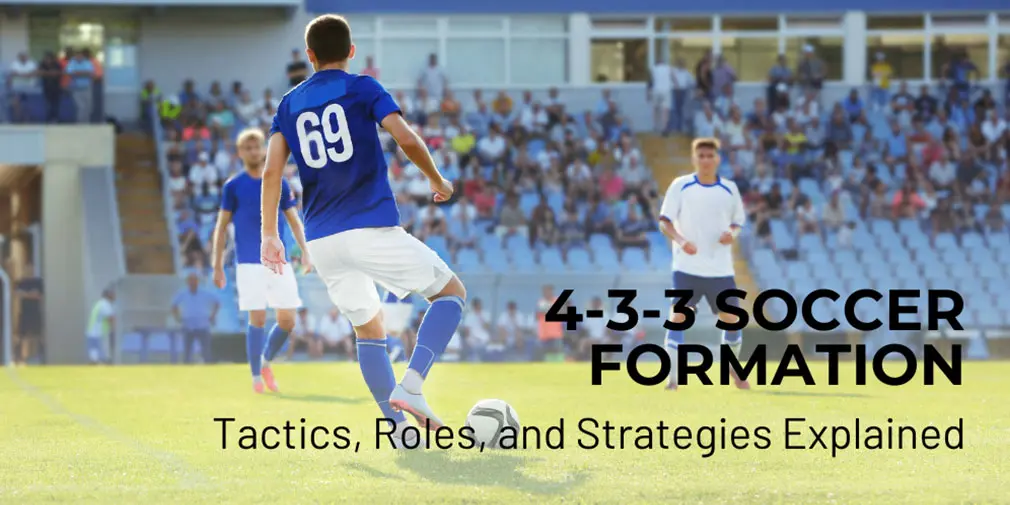
The 4-3-3 soccer formation is more than just a strategy—it’s a game-changer. This formation strikes the perfect balance between structure and freedom, providing teams with the tools to excel across all areas of play.
Loved by champions and tacticians worldwide, the 4-3-3 soccer formation offers versatility and control that few other formations can match. Discover what makes this setup a favorite and how it can elevate any team’s game.
The 4-3-3 soccer formation has four defenders, three midfielders, and three attackers. The defenders include two center-backs, who stay in the middle to protect the goal, and two full-backs, who play on the sides and help both in defense and attack. This setup provides good balance and width on the field.
In midfield, one player stays back to defend while the other two move forward to create scoring chances. The attackers include two wingers on the sides and a central striker, making the team strong in attack. This formation is flexible, allowing teams to switch quickly between defending and attacking.
The 4-3-3 soccer formation became famous in the 1970s thanks to Rinus Michels, who introduced "Total Football" with his Ajax and Netherlands teams. This style focused on players switching roles, pressing the opponents, and smart positioning on the field, all key features of the 4-3-3.
Moreover, Johan Cruyff helped make this formation even more popular during his time as a player and coach. Later, Pep Guardiola's Barcelona showed how effective it could be, making it a favorite in modern soccer. Today, the 4-3-3 is loved for its balance and flexibility.
Defensive Midfielder (CDM): Stays close to the defense, stops opponents, and controls the game’s flow.
Central Midfielders (LCM & RCM):
Help both in defense and attack.
Create chances with passes and support forward runs.
Defend by blocking passes and regaining possession.
Central Attacking Midfielder (CAM): Links midfield with attackers, sets up goals, and makes runs into the opponent’s penalty area.
The 4-3-3 formation works well for keeping control and creating space. Teams play wide to stretch the opponent’s defense, giving midfielders room to work in the center. Players often form triangles, making it easier to pass and keep the ball moving smoothly.
Wingers sometimes move toward the center, creating space for full-backs to join the attack on the outside. Furthermore, the attacking midfielder helps the striker by adding extra support in the opponent's penalty area. This strategy keeps pressure on the other team and increases chances to score.
Defensively, the 4-3-3 excels in high pressing. The forwards work hard to put pressure on the opponent’s defenders, forcing them to make mistakes or lose the ball.
Midfielders drop back to help protect the defenders and win the ball quickly. The team stays compact in the center to stop opponents from attacking through the middle, while full-backs and wingers work together to block attacks from the sides. Additionally, this discipline makes the 4-3-3 very effective defensively.
The 4-3-3 has many advantages:
The 4-3-3 also has some challenges:
Rinus Michels changed football in the 1970s with his "Total Football" philosophy, which was showcased by his Ajax team. Using the 4-3-3 formation, players switched positions and didn’t stick to fixed roles. Johan Cruyff, the team’s star, often dropped back, moved around, and controlled the game, showing the true spirit of Total Football.
Furthermore, Ajax’s players were very versatile` and adapted to different roles during matches. Their high pressing, accurate passing, and smart positioning made them unbeatable in domestic and European competitions.
Zinedine Zidane’s Real Madrid used the 4-3-3 to make the most of their star players. Cristiano Ronaldo and Gareth Bale played as inverted wingers, cutting inside to shoot or link up with Karim Benzema, who was great at holding the ball and creating space.
The midfield trio of Luka Modric, Toni Kroos, and Casemiro balanced creativity and defense perfectly. Modric’s vision created chances, Kroos controlled the game with his passing, and Casemiro provided defensive strength. Moreover, Full-backs Marcelo and Dani Carvajal added attacking width, making the team strong and well-rounded in Europe.
Pep Guardiola’s Barcelona is considered the best example of the 4-3-3. Lionel Messi played as a false nine, dropping back to connect midfield and attack, confusing defenders. Xavi Hernandez controlled the game with his amazing passing, while Andres Iniesta added creativity and clever runs to break defenses.
Full-backs Dani Alves and Eric Abidal provided width by moving up the field, helping the team’s precise passing and movement shine. Their style of high pressing, constant movement, and keeping possession defined their era of dominance.
Jürgen Klopp’s Liverpool used a fast and energetic version of the 4-3-3, focusing on pressing and quick attacks. Mohamed Salah and Sadio Mane cut inside to attack central spaces, while Roberto Firmino dropped back to connect with the midfield.
Full-backs Andrew Robertson and Trent Alexander-Arnold provided width and created chances with accurate crosses. In midfield, Fabinho protected the defense, while Jordan Henderson and Georginio Wijnaldum pressed opponents and helped with fast counters. This approach made Liverpool one of the best teams in both domestic and European competitions.
The 4-3-3 soccer formation is a game-changer, blending creativity and structure. Its balance makes it a favorite for teams at all levels. Try it out and experience how it transforms your game.
Match ball$65$75
Hikari is part of our premium soccer ball range, inspired by Japanese craftsmanship and designed for elite…
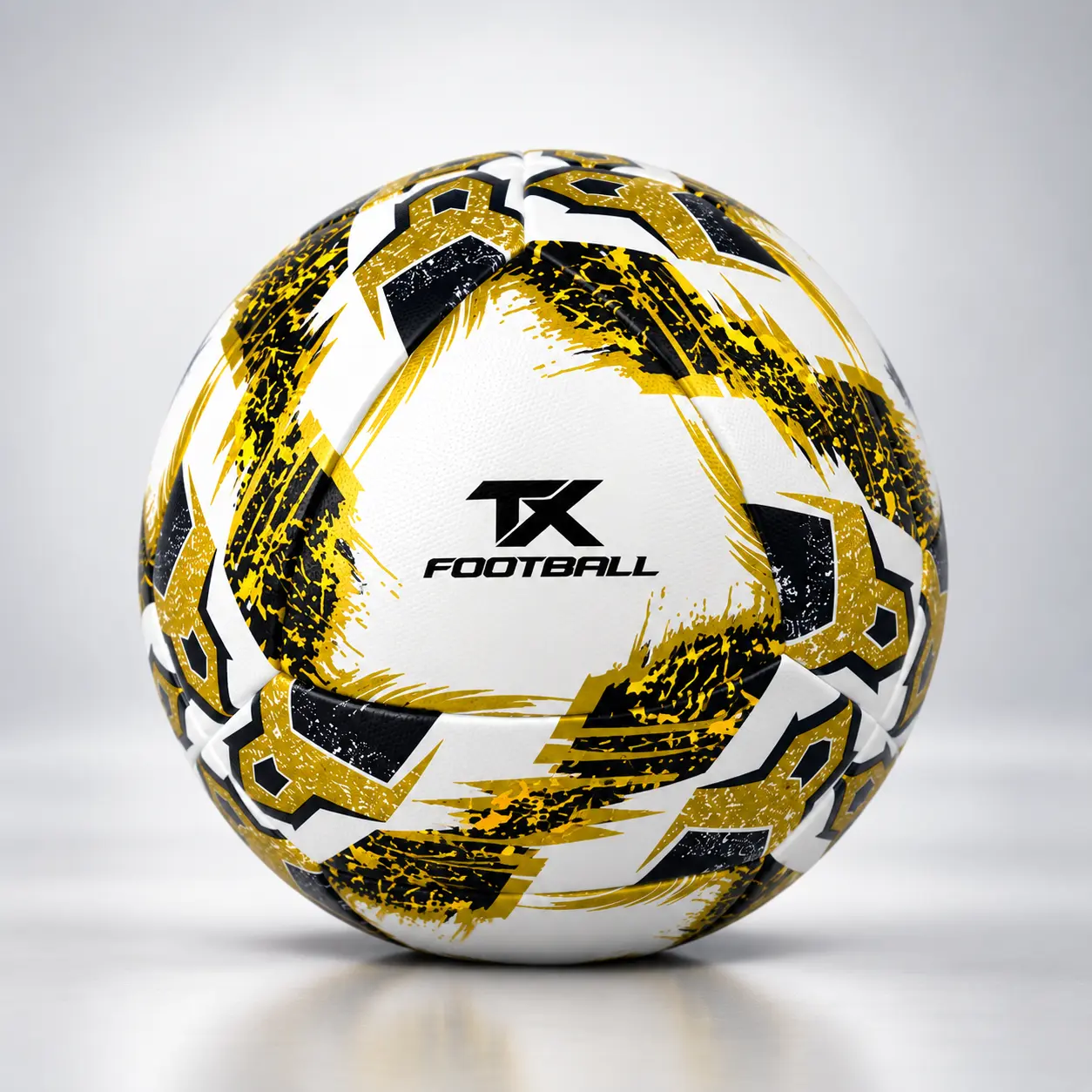 Hybrid ball · Sizes 4, 5
$40$50
Unveiling the Voyager+ : The Hybrid Powerhouse Welcome to a new era of football, where the Voyager takes…
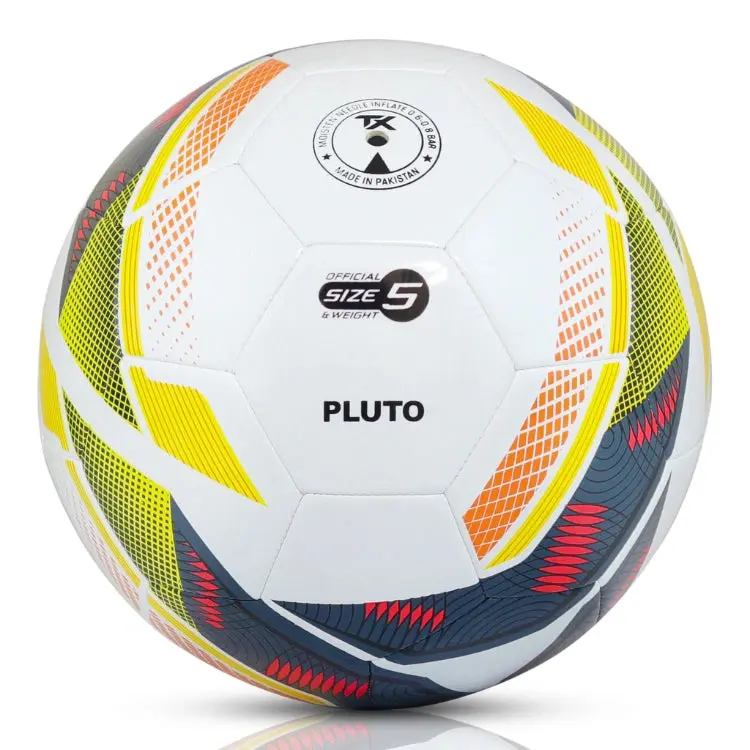 Junior ball · Sizes 3, 4, 5
$20$25
Presenting the Pluto: Tailored Excellence for Junior Football Journey into the future of junior football…
 Match ball
$110$140
CLIMATE Match Football: The Eco-Friendly Powerhouse Crafted from recycled PET bottles, the CLIMATE Football…
New articles, new balls and bundle deals. One email, no spam.